D
DogCorner Editor
Guest
- Thread Author
- #1
If you’re searching for a healthy, affordable, and dog-friendly ingredient to add to your pup’s meals, butternut squash should be at the top of your list. It’s packed with vitamins, gentle on digestion, naturally sweet, and incredibly versatile. Best of all? Dogs love it — even picky eaters.
Whether you want to use squash as a topper, treat base, or a nutritious meal add-in, this guide will show you how to cook butternut squash safely for dogs, plus 4 simple mix-ins to make meals healthier and more exciting.
Let’s get started!
Yes — butternut squash is perfectly safe for dogs when prepared correctly.
Just make sure it’s always served cooked, soft, and with skin and seeds removed, as these can be difficult to digest.
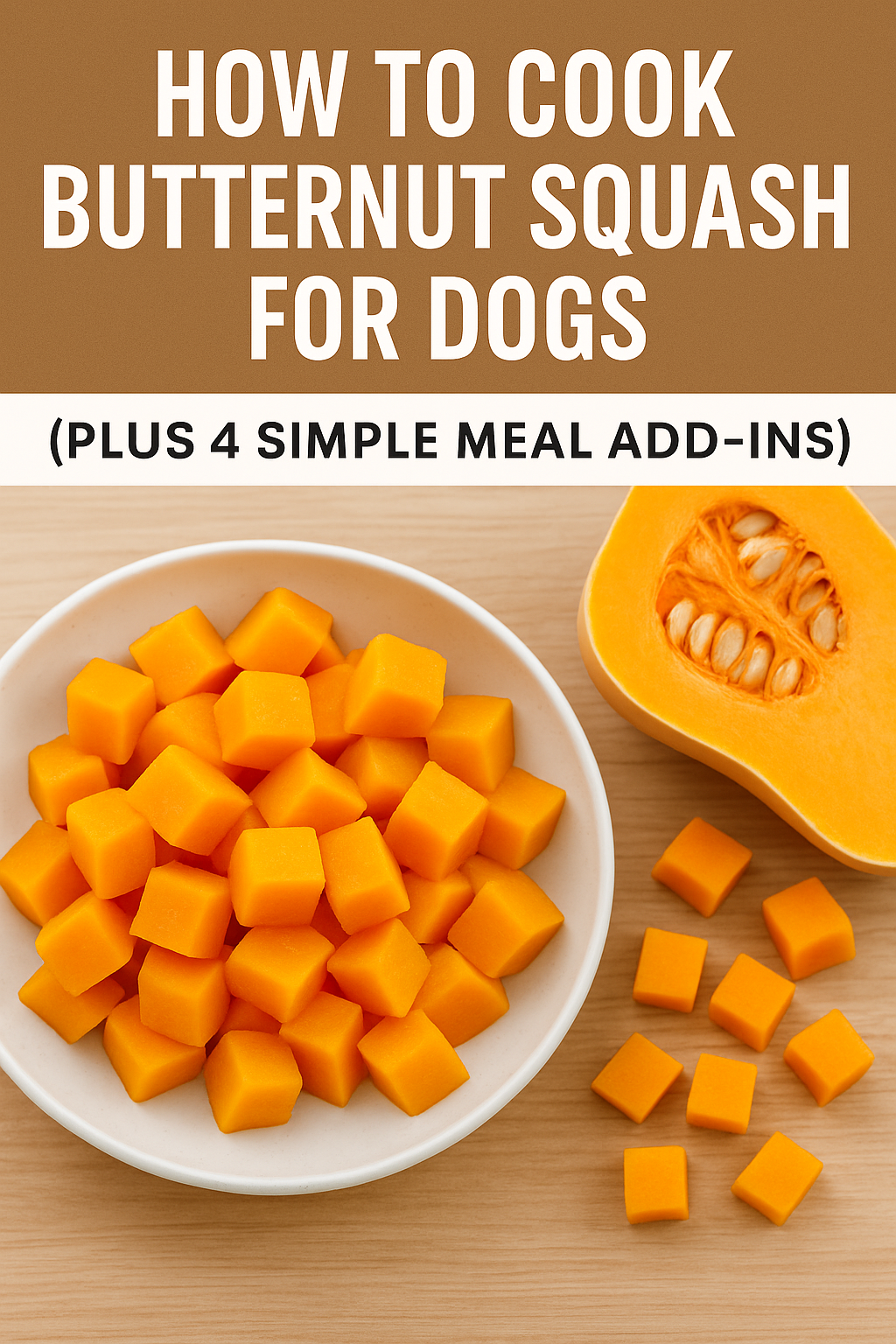
No matter which cooking method you choose, always:
From there, you can mash, blend, or add the cubes directly to dog food.
Now let’s go through the best cooking methods.
Boiling is the quickest and simplest way to cook squash for dogs.
Avoid adding salt or seasoning — dogs don’t need it.
Steaming preserves the most vitamins and minerals.
Steam large batches and freeze in 1–2 tbsp portions.
Roasting caramelizes the squash, giving it a naturally sweet flavor dogs love.
Onions, garlic, herbs, or spices — all unsafe for dogs.
If you’re short on time, microwaving is the quickest method.
You can serve squash in various textures:
Great for mixing into kibble or wet food.
Perfect as meal toppers or mix-ins.
Ideal for sensitive stomachs and puppies.
Use silicone molds for easy treat batches.
Always introduce new foods slowly.
Here are four dog-safe, healthy mix-ins you can add to cooked butternut squash to create balanced, tasty meals.
Chicken and squash make a gentle, nutritious blend for dogs with sensitive stomachs.
Plain, unsweetened Greek yogurt adds creaminess and probiotics.
Flavored, sweetened, or vanilla yogurt — these often contain harmful additives.
Green beans add crunch and nutrients without adding many calories.
A small amount of sardines boosts skin, coat, and brain health.
Choose sardines in water, not oil.
Up to 4 days
Up to 3 months
Freeze in 1 tablespoon portions using silicone molds — perfect for small serving sizes and easy defrosting.
Butternut squash is one of the easiest, healthiest foods you can add to your dog’s diet. It’s naturally sweet, nutrient-rich, gentle on digestion, and incredibly versatile. Whether you boil it, steam it, roast it, or microwave it, squash can boost your dog’s meals with vitamins, fiber, and antioxidants.
With the four simple meal add-ins above, you can turn basic squash into delicious, balanced nutrition your dog will love — all using everyday, dog-safe ingredients.
Healthy, affordable, and tail-waggingly good… what more could you ask for?
The post How to Cook Butternut Squash for Dogs appeared first on Dog Corner.
Whether you want to use squash as a topper, treat base, or a nutritious meal add-in, this guide will show you how to cook butternut squash safely for dogs, plus 4 simple mix-ins to make meals healthier and more exciting.
Let’s get started!
Is Butternut Squash Safe for Dogs?
Yes — butternut squash is perfectly safe for dogs when prepared correctly.
Benefits of Butternut Squash for Dogs
High in vitamins A, C, E, and B6
Supports immune function
Helps maintain healthy skin & coat
Rich in fiber for digestion
Naturally low in calories
Packed with antioxidants like beta-carotene
Just make sure it’s always served cooked, soft, and with skin and seeds removed, as these can be difficult to digest.
How to Prepare Butternut Squash for Dogs
No matter which cooking method you choose, always:
Wash the squash
Peel the skin
Slice in half
Scoop out the seeds
Chop into cubes
Cook until soft
From there, you can mash, blend, or add the cubes directly to dog food.
Now let’s go through the best cooking methods.
Method 1: Boiling (Fast & Easy)
Boiling is the quickest and simplest way to cook squash for dogs.
Instructions
Peel, deseed, and cube the squash
Add to a pot of water
Bring to a boil
Simmer 12–15 minutes until soft
Drain and let cool
Best for:
Mixing into kibble
Making mashed squash
Senior dogs needing softer foods
Pro Tip:
Avoid adding salt or seasoning — dogs don’t need it.
Method 2: Steaming (Most Nutritious)
Steaming preserves the most vitamins and minerals.
Instructions
Place squash cubes in a steamer basket
Steam over boiling water for 10–12 minutes
Cool before serving
Best for:
Dogs needing extra nutrients
Low-calorie diets
Meal prep
Pro Tip:
Steam large batches and freeze in 1–2 tbsp portions.
Method 3: Roasting (Most Flavorful)
Roasting caramelizes the squash, giving it a naturally sweet flavor dogs love.
Instructions
Preheat oven to 200°C (400°F)
Toss squash cubes in a tiny amount of olive oil (optional)
Spread out on a tray
Roast 25–30 minutes until soft
Best for:
Picky eaters
Dogs who prefer chewy textures
Avoid:
Onions, garlic, herbs, or spices — all unsafe for dogs.
Method 4: Microwaving (Fastest Option)
If you’re short on time, microwaving is the quickest method.
Instructions
Place squash cubes in a microwave-safe bowl
Add 2 tbsp water
Cover
Microwave 5–7 minutes, checking halfway
Cool completely
Best for:
Busy dog parents
Quick meal add-ins
How to Serve Butternut Squash to Dogs
You can serve squash in various textures:
 Mashed
Great for mixing into kibble or wet food.
Chopped
Perfect as meal toppers or mix-ins.
Puréed
Ideal for sensitive stomachs and puppies.
Frozen Portions
Use silicone molds for easy treat batches.
Serving Size Guidelines
Small dogs: 1–2 tablespoons
Medium dogs: ¼ cup
Large dogs: ¼–½ cup
Always introduce new foods slowly.
4 Simple Meal Add-Ins to Boost Your Dog’s Nutrition
Here are four dog-safe, healthy mix-ins you can add to cooked butternut squash to create balanced, tasty meals.
1. Cooked Chicken Breast (High Protein Fuel)
Chicken and squash make a gentle, nutritious blend for dogs with sensitive stomachs.
How to Use It
Mix 2 parts squash + 1 part shredded chicken
Perfect for picky eaters or recovery meals
Benefits
Lean protein
Easy to digest
Ideal for weight management
2. Plain Greek Yogurt (Gut Health Booster)
Plain, unsweetened Greek yogurt adds creaminess and probiotics.
How to Use It
Stir 1 tablespoon into squash
Great as a topper for kibble
Benefits
Supports digestion
Adds calcium and protein
Avoid:
Flavored, sweetened, or vanilla yogurt — these often contain harmful additives.
3. Steamed Green Beans (Healthy Fiber Add-In)
Green beans add crunch and nutrients without adding many calories.
How to Use It
Chop and mix into squash
Serve warm or at room temperature
Benefits
Supports healthy weight
Adds vitamins and fiber
4. Sardines in Water (Omega-3 Powerhouse)
A small amount of sardines boosts skin, coat, and brain health.
How to Use It
Mash ½ sardine into warm squash
Add on top of meals
Benefits
Omega-3 fatty acids
Anti-inflammatory properties
Great for dry skin or joint issues
Note:
Choose sardines in water, not oil.
How to Store Cooked Butternut Squash
Refrigerator:
Up to 4 days
Freezer:
Up to 3 months
Best Storage Tip:
Freeze in 1 tablespoon portions using silicone molds — perfect for small serving sizes and easy defrosting.
Final Thoughts
Butternut squash is one of the easiest, healthiest foods you can add to your dog’s diet. It’s naturally sweet, nutrient-rich, gentle on digestion, and incredibly versatile. Whether you boil it, steam it, roast it, or microwave it, squash can boost your dog’s meals with vitamins, fiber, and antioxidants.
With the four simple meal add-ins above, you can turn basic squash into delicious, balanced nutrition your dog will love — all using everyday, dog-safe ingredients.
Healthy, affordable, and tail-waggingly good… what more could you ask for?
The post How to Cook Butternut Squash for Dogs appeared first on Dog Corner.