
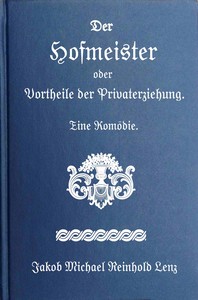
Der Hofmeister by Jakob Michael Reinhold Lenz
Let's set the scene: Germany in the 1770s. A young man from a modest background, Läuffer, accepts a position as a private tutor for a Major's family. He's supposed to educate the children, especially the teenage daughter Gustchen, and mold them into proper young adults. He moves into their isolated country estate, effectively becoming part of the household but never truly an equal.
The Story
The plot kicks off with this uncomfortable setup. Läuffer is lonely, overworked, and trapped by his low social status. Gustchen is bright, curious, and stuck in a gilded cage. Their relationship, which starts with lessons, slowly crosses a dangerous line. They fall in love, a secret that can't stay hidden in such a confined world. When the truth comes out, it's a disaster. Läuffer faces ruin, Gustchen's future is shattered, and her family is engulfed in shame and rage. The story follows the crushing consequences for everyone involved, asking who is really to blame in a situation the system itself created.
Why You Should Read It
This play shocked audiences in its day, and its power hasn't faded. Lenz doesn't give us simple villains. Instead, he shows how a toxic mix of isolation, class prejudice, and flawed education warps everyone. Läuffer is both a victim of his circumstances and responsible for his actions. The Major's rigid obsession with honor is as destructive as the secret affair. What I find most gripping is Lenz's compassion. He makes you understand each character's desperation, even as you watch them make terrible choices. It's a brutally honest look at power, desire, and the hypocrisy of 'respectable' society.
Final Verdict
Perfect for readers who love classic literature that doesn't feel dusty, or anyone interested in the roots of psychological drama. If you enjoy stories about impossible social traps, like in Edith Wharton's novels or even modern shows about power dynamics, you'll find a kindred spirit in Lenz. It's a short, intense, and thought-provoking play that proves some human conflicts are truly timeless.
This text is dedicated to the public domain. Thank you for supporting open literature.
Karen Scott
2 years agoEnjoyed every page.





Mary Taylor
1 year agoPerfect.