
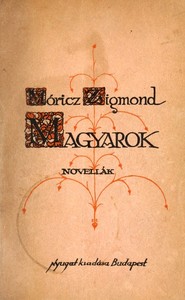
Magyarok: Elbeszélések by Zsigmond Móricz
The Story
Magyarok: Elbeszélések (which translates to Hungarians: Stories) is a collection of short tales that span from the Hungarian countryside to small towns, all set during the early 20th century. There’s no single plot—instead, Móricz sketches a cast of characters wrestling with everyday horrors. A poor family can’t afford medicine for their sick child. A young woman fights against an arranged marriage to a cruel older man. A proud landowner refuses to ask for help even as his farm slips away. Each story stands alone, but together, they paint a picture of a nation on the edge of change—struggling against poverty, outdated customs, and the silence that surrounds suffering. Móricz’s writing is spare and direct, holding nothing back. He shows us the ugly, messy insides of lives we might not otherwise see.
Why You Should Read It
Honestly, this book wrecked me. Móricz doesn’t waste time on flowery descriptions. He uses simple words to create scenes so vivid you can almost smell the rough wool on a peasant’s coat or hear the creak of a wooden cart. What I loved most was how he found dignity in his characters—even when they made bad choices. There’s a story about a man who buys a pig on credit, hoping to sell it for a profit, and when it dies, you feel his panic like it’s your own stomach dropping. Móricz was a real-life journalist who reported on Hungary’s rural poverty, so he knew the details firsthand. That honesty makes each story feel urgent, as if he’s shouting, “This is real! Look at them!” It’s not a feel-good book. You won’t walk away filled with hope. But you’ll walk away understanding more about human strength—
Final Verdict
Who should read this? If you love authors like Anton Chekhov or John Steinbeck—writers who focus on the quiet battles of everyday people—you’ll fall hard for Móricz. Same goes for anyone who enjoys historical fiction that’s less about kings or wars and more about ordinary folks surviving in tough times. If you’re new to Hungarian literature, this is a perfect entry point—one of the country’s most celebrated storytellers, in bite-size doses. Skip it if you’re looking for an uplifting, easy read full of happy endings. This book demands you sit in the uncomfortable spaces of life. But for those willing to do that? It’s unforgettable.
I finished the last story and just sat still for a minute. That’s the power of Móricz. He doesn’t just tell you a story—he makes you feel the weight of someone else’s world, even a hundred years later.
This content is free to share and distribute. Distribute this work to help spread literacy.
Sarah Jones
11 months agoHaving followed this topic for years, I can say that the attention to detail regarding the core terminology is flawless. Definitely a five-star contribution to the field.
Christopher Rodriguez
1 month agoBefore I started my latest project, I read this and the insights into future trends are particularly thought-provoking. A trustworthy resource that I'll keep in my digital library.

Christopher Brown
5 months agoExactly what I was looking for, thanks!