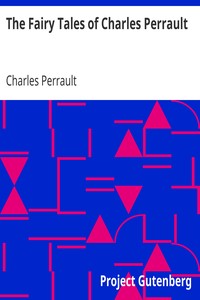
The Fairy Tales of Charles Perrault by Charles Perrault
Let's clear something up first: this isn't a single story. It's a collection of short tales, published in 1697, that basically gave us the fairy tale genre. Perrault didn't invent these stories from scratch—he took popular folk tales and polished them for the sophisticated French court. But in writing them down, he created the versions that would conquer the world.
The Story
There's no overarching plot. Instead, you get individual gems. A young girl, mistreated by her step-family, gets to a royal ball with the help of a fairy godmother, but has to leave by midnight. A beautiful princess pricks her finger on a spindle and falls asleep for a hundred years, protected by a forest of thorns. A clever cat in boots uses tricks and lies to make his poor master a marquis. A little girl in a red hood is tricked by a talking wolf on her way to her grandmother's house. In each, characters face a big problem—poverty, a curse, a predator—and the solution involves magic, cleverness, or sheer luck, often followed by a blunt moral lesson.
Why You Should Read It
Reading Perrault is like finding the source code for our collective imagination. The thrill is spotting the differences from the versions we know. The wolf eats Little Red Riding Hood. Full stop. Cinderella's sisters mutilate their own feet to try on the slipper. These aren't just dark for the sake of it; they're practical, cautionary tales wrapped in fantasy. Perrault's voice is wonderfully present—witty, a bit gossipy, and always ready with a pointed moral about being wary of strangers or the virtues of good manners. You feel the hand of a clever writer shaping raw folklore into social commentary. It makes you appreciate the bones of a great story, stripped of later frills.
Final Verdict
This is essential reading for anyone who loves stories, history, or culture. It's perfect for curious readers who want to know the 'original' versions, for writers looking to understand narrative roots, and for parents who might want to share the tales as they were first told (maybe with some editing for very young kids!). It's short, surprisingly fresh, and packed with more personality and punch than you'd expect from a 300-year-old book. Don't expect warm fuzzies; expect clever, sharp, and foundational storytelling.
This content is free to share and distribute. You are welcome to share this with anyone.